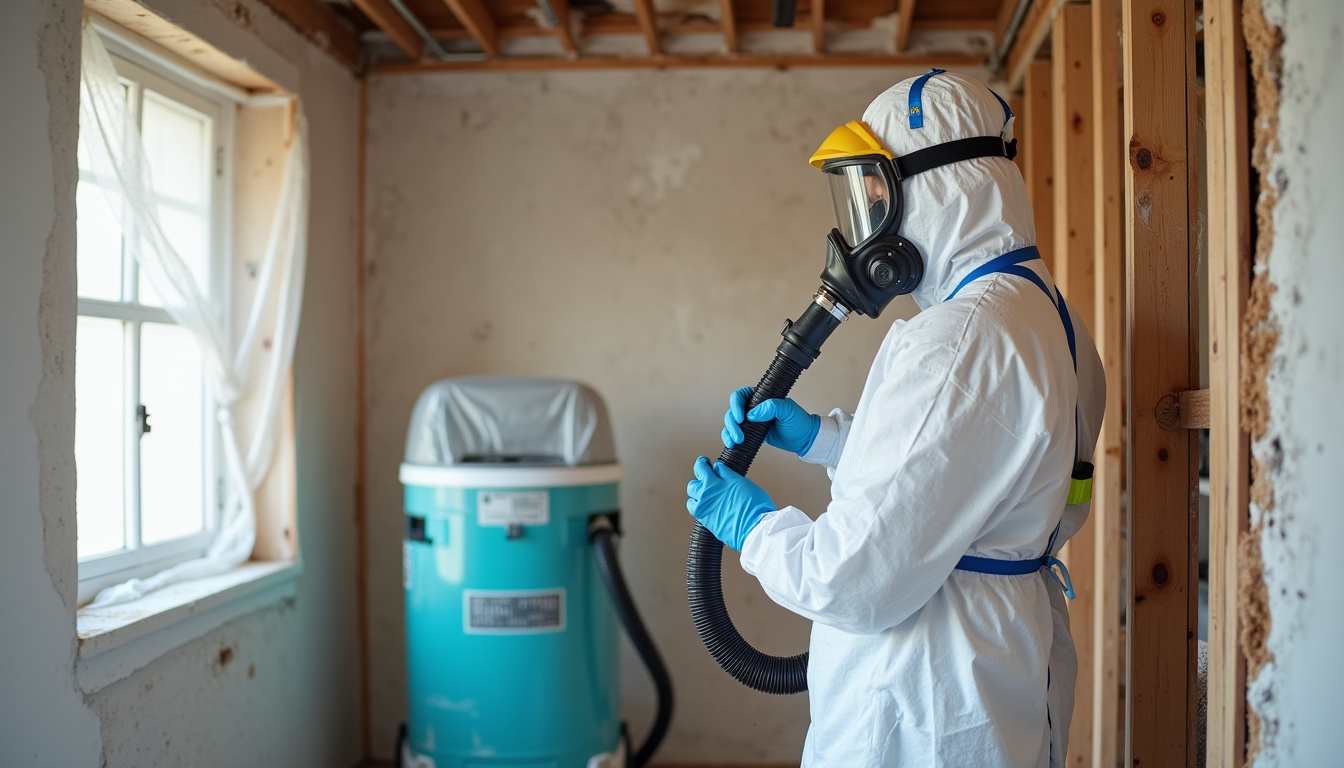
Mold is the most common consequence of water damage that wasn't dried properly. In Dallas's warm, humid months, mold can begin to grow on wet drywall, wood and carpet backing within 24 to 48 hours. It often appears as dark spotting at the bottom of walls, under sinks, around AC closets and air handlers, and on attic decking above a leaking water heater or condensate line.
Effective mold remediation always starts with moisture. Removing visible growth without fixing the leak or drying the structure just means the mold comes back. We locate the moisture source, confirm affected areas with meters and thermal imaging, and dry the structure as part of the job.
The cleanup itself follows a containment-first approach: plastic barriers and negative air pressure with HEPA filtration keep spores from spreading to clean rooms. Affected porous materials like drywall and insulation are removed and bagged, framing and other surfaces are cleaned and HEPA-vacuumed, and treated areas are left ready for repairs.
Texas regulates mold work. Under Texas Department of Licensing and Regulation rules, projects involving 25 contiguous square feet or more of mold generally require a licensed mold assessor to write a protocol and a licensed remediation contractor to perform the work, followed by clearance. We'll tell you up front which rules apply to your situation.
Most mold we remove started as water damage that wasn't dried correctly, which is why remediation is tied to our [Dallas water damage restoration](/) and water mitigation work. If you're cleaning up after a flood, start with flood damage restoration. To learn how drying prevents mold, read the water damage restoration process, step by step.
Technician insight
If you smell mustiness when your AC kicks on, check the air handler closet and the drain pan first. In North Texas homes, a clogged condensate line is one of the most common hidden sources of mold.
Mold Remediation Services We Offer
✓Mold Damage Restoration
Remediation and repair after mold spreads from an untreated leak.
✓Attic Mold Cleanup
Cleanup of decking and framing affected by water heater, condensate or roof leaks.
✓Bathroom & Kitchen Mold
Removal behind showers, vanities, sinks and dishwashers where slow leaks hide.
✓Mold Prevention After Water Damage
Antimicrobial treatment and verified drying to stop growth before it starts.
How it works
- 1
Inspect
We find the moisture source and map the affected area.
- 2
Contain
Barriers and negative air pressure isolate the work zone.
- 3
Remove & clean
Affected materials are removed; surfaces are HEPA-vacuumed and cleaned.
- 4
Dry & verify
The area is dried and, where required, cleared before rebuilding.
Pricing
Priced by affected area