
24/7 emergency service in Dallas, TX
Flood Damage Restoration in Dallas, TX
Cleanup, sanitizing, drying and rebuilding after flash floods, storm water and sewer backups.
- 24/7 response
- Insurance-ready photos & logs
- Itemized estimate first
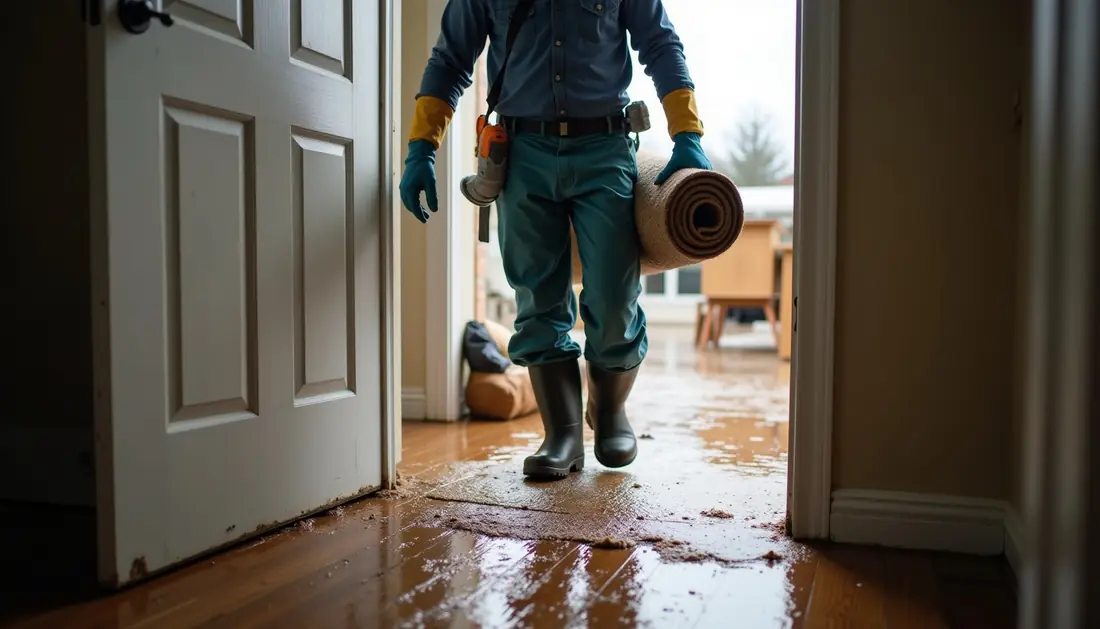
Flood damage is different from a burst pipe. Water that comes in from outside, through doors, weep holes, garages or the foundation, is treated as Category 3 or black water because it carries soil, bacteria and chemicals. That changes the cleanup. Porous materials it touches, like carpet, pad, insulation and the lower part of the drywall, generally have to be removed instead of dried.
Dallas gets intense, fast rain. Spring thunderstorms and events like the August 2022 flash flood can drop several inches in a few hours, overwhelm the storm drains and push water into homes near creeks and low streets in East Dallas, Lake Highlands and along White Rock and Turtle Creek. Expansive clay soil also sheds water quickly, which sends runoff toward foundations.
Our flood cleanup starts with safety. We check power to the affected circuits, extract the contaminated water and remove debris and unsalvageable materials with a flood cut. Everything that stays is cleaned, sanitized with an antimicrobial and dried with dehumidifiers and air movers until the moisture readings are back to normal.
Sewer and drain backups get the same treatment because they carry the same health risks. Once the structure is clean and dry we rebuild the drywall, insulation, baseboards, flooring and paint, so you're not left hunting for a separate contractor.
Flood cleanup is part of our full water damage restoration service in Dallas. It combines contaminated water extraction, structural drying and mold remediation when it's needed. Flood coverage works differently from a burst-pipe claim, so read our guide to filing a water damage insurance claim in Texas. Dealing with a sewer backup in Garland? See water damage restoration in Garland.
What's included in flood damage restoration
- Contaminated water extraction
- Flood cuts and removal of affected porous materials
- Mud, silt and debris removal
- Cleaning, sanitizing and antimicrobial treatment
- Structural drying and dehumidification
- Sewage and drain backup cleanup
- Reconstruction after drying
Flood Damage Restoration services we offer in Dallas
Flash Flood Cleanup
Removing storm water, mud and contaminated materials after heavy rain.
Sewage Backup Cleanup
Safe removal and sanitizing after toilet, drain or sewer line backups.
Storm Damage Restoration
Water cleanup and temporary protection after hail, wind and roof leaks.
Garage & Ground-Floor Flooding
Cleanup when water comes in through garages, doors and slab edges.
How flood damage restoration works
- Make it safeWe check for electrical hazards and wear protective gear around contaminated water.
- Remove water and debrisFloodwater, mud and unsalvageable materials are removed and disposed of properly.
- Sanitize and drySurfaces are cleaned, treated and dried to verified moisture levels.
- RebuildDrywall, flooring and finishes are put back.
After a Dallas flash flood, check the wall between the garage and the house and the slab edge at exterior doors first. That's where water usually gets in, and it travels under the baseboards into rooms that look dry.
How pricing works
Flood work is priced by the affected area, the water category, debris removal and the rebuild scope. Flood insurance and homeowners coverage are handled differently, and we document for both.
Flood Damage Restoration FAQs
Is flood damage covered by homeowners insurance in Texas?
Standard homeowners policies usually exclude damage from rising surface water. That needs a flood insurance policy, such as one through the National Flood Insurance Program. Roof leaks during a storm may be covered under your homeowners policy.
Why do you cut the drywall after a flood?
Floodwater is contaminated and drywall soaks it up. Cutting the wall a little above the water line, which is called a flood cut, removes the contaminated material and lets the wall cavity dry and be sanitized.
Is it safe to clean up floodwater myself?
Floodwater can carry sewage, bacteria and chemicals, and it often hides electrical hazards. You need protective equipment and proper disposal, which is why we recommend professional cleanup.
Related services
Where we provide flood damage restoration
Helpful guides
Water spreading? Don't wait.
Every hour counts. Drywall and flooring start absorbing water within minutes, and mold can start within 24 to 48 hours. Call now or send a request. We're open around the clock.
(214) 555-0123