
Fire Damage Restoration in Dallas, TX
In Dallas high-rises around Uptown and Downtown, a fire in one unit often means water damage in the units below from sprinklers and firefighting.
Water removal after firefighting, soot and smoke cleanup, odor control and repairs after a house or kitchen fire.
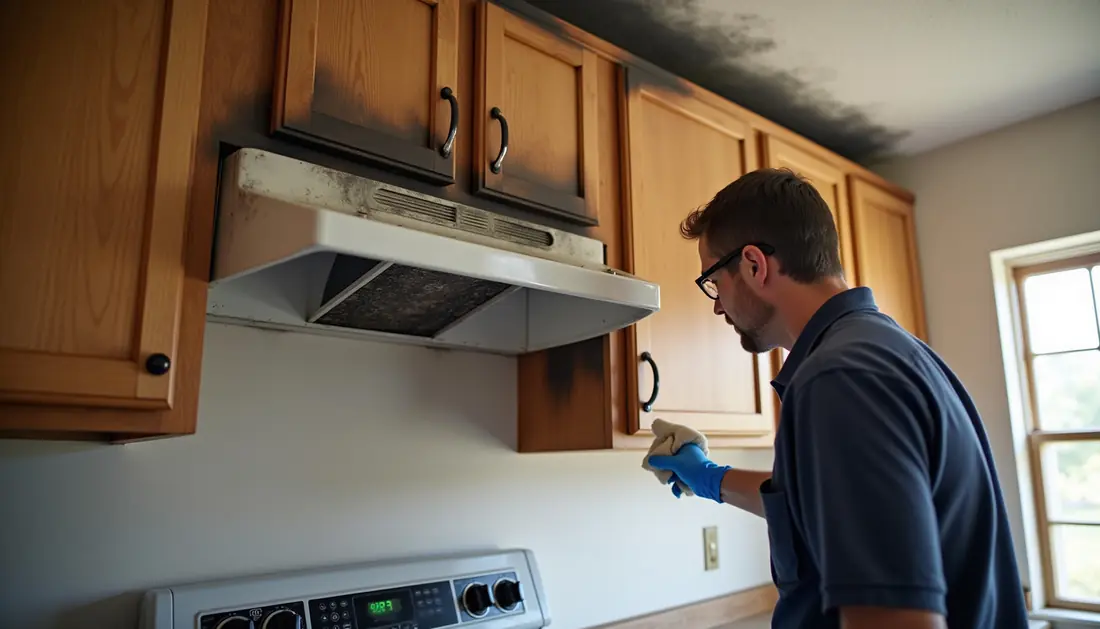
A house fire usually leaves two kinds of damage behind. There's the fire itself, with the charring, soot and smoke, and there's the water. Firefighters can put a lot of water into a home in a few minutes, and it soaks floors, walls and ceilings in rooms the fire never reached. Left alone, that water causes the same problems as any other water damage.
That's why our fire damage restoration starts with the water. Once the fire department releases the property, we secure it with board-up and tarps, extract the standing water and start drying, so the building doesn't pick up a mold problem on top of the fire damage.
Then comes the cleanup. Soot is oily and acidic, and it gets everywhere, including inside cabinets, closets and HVAC ducts. We remove materials that are burned or too damaged to clean, clean soot off the surfaces that can be saved, and treat smoke odor at its source instead of covering it up. Contents that can be cleaned are cleaned, and the rest is photographed and listed for your claim.
Even a small kitchen fire can spread smoke and soot through the whole house. Grease fires in particular leave a sticky film on walls and ceilings that ordinary cleaners just smear around. If the fire was small and out quickly, it's still worth having the house looked at before you start scrubbing.
Fire damage restoration uses the same drying process as our water mitigation and structural drying and the same rebuild crew as our full water damage restoration service. For businesses, see commercial water damage restoration. Our guide to filing an insurance claim in Texas covers how to document damage for your adjuster.
Wait for the fire department to clear the building. Then call your insurance company to report the loss, and make sure the property is secured so weather and trespassers can't get in. Don't turn the power, water or HVAC back on until someone has checked that it's safe.
Take photos of every room before anything is moved. Throw out food, medicine and cosmetics that were exposed to heat, smoke or firefighting water. If you need to grab essentials, wear a mask and gloves and keep the trip short.
Most people expect the burned room to be the expensive part. Often it's the water. A fire in one room can mean wet subfloor, soaked insulation and ruined ceilings in three or four others, especially in two-story homes where the water runs down to the first floor.
Because we're a water damage company first, drying is where we start. Getting the structure dry in the first days after a fire keeps the job from growing, and it gives the cleaning and the rebuild a solid starting point.
Extraction and drying of the water used to put out the fire.
Cleaning soot and smoke residue from walls, ceilings, cabinets and contents.
Treating odor at the source so it doesn't come back on the first humid day.
Securing doors, windows and the roof right after the fire.
After a kitchen fire, the room next to the kitchen often has more smoke damage than people expect, because smoke follows the airflow toward cooler parts of the house. We check closets, the inside of cabinets and the HVAC return before we write the scope.
Fire jobs are priced by how much of the home was affected by fire, smoke and water, what has to be removed, how much cleaning the contents need and the rebuild. Fire is covered by most homeowners policies, and we document the job room by room for your adjuster.
We provide fire damage restoration in Dallas and every city listed below. Open your city to see the neighborhoods and ZIP codes we cover there.
In Dallas high-rises around Uptown and Downtown, a fire in one unit often means water damage in the units below from sprinklers and firefighting.
In Plano's larger two-story homes, water from putting out an upstairs fire usually ends up in the first-floor ceilings.
Frisco's newer homes often have open floor plans, which let smoke travel farther through the house after even a small kitchen fire.
Historic homes near downtown McKinney have older materials and finishes that call for careful cleaning instead of quick replacement.
In Irving apartment and condo buildings, fire sprinklers can put water into several units at once, and each one needs its own drying plan.
In Garland's older ranch homes, smoke can get into attics and older duct systems, so we check those as part of the cleanup.
In Rockwall's two-story homes, water from putting out an upstairs fire usually ends up in the ceilings below.
In Arlington apartments and condos, sprinklers and firefighting water can reach several units, and each one needs its own drying plan.
Historic Fort Worth homes have older finishes that call for careful cleaning, and water from firefighting often reaches the crawl space.
Not until the fire department says so. Even then, be careful: floors and ceilings may be weakened, the power may be off or unsafe, and soot can irritate your lungs. Wear a mask and gloves, and don't turn on the HVAC, which can push soot through the ducts.
Putting out a house fire takes a lot of water, and it goes wherever gravity takes it: through floors, into walls and down to the rooms below. That water needs to be removed and dried quickly, the same as a burst pipe, or it leads to mold.
Painting over soot and smoke residue rarely works. The odor bleeds back through, and the residue can keep new paint from bonding. Walls are cleaned first, sealed with a primer made for smoke odor, and then painted.
By removing the source, not masking it. That means taking out burned materials, cleaning soot from every surface, cleaning or replacing filters and ducts where needed, and using odor treatment equipment for what's left in the air and in porous surfaces.
Many can. Hard items like dishes, metal, glass and many plastics usually clean well, and clothing can often be professionally cleaned. Upholstered furniture, mattresses and anything charred are harder to save. We photograph and list everything for your claim before it's cleaned or thrown out.
Fire is a covered cause of loss under most homeowners policies, and that usually includes the water damage from putting it out and smoke damage in the rest of the house. Many policies also help with somewhere to stay while the home is repaired. Check your policy and report the fire quickly.
It's better not to. Soot smears easily, and household cleaners can set it into paint and fabric, which makes professional cleaning harder. Wait until the damage has been assessed.
Every hour counts. Drywall and flooring start absorbing water within minutes, and mold can start within 24 to 48 hours. Call now. We're open around the clock.
(469) 306-9109Open 24 hours, 7 days a week · Dallas and nearby cities