
Sewage Cleanup in Dallas, TX
Older Dallas neighborhoods like Oak Cliff, Lakewood and the M Streets still have plenty of original clay and cast iron sewer lines, and tree roots find them.
Safe removal, sanitizing and drying after toilet overflows, backed-up drains and sewer line failures.
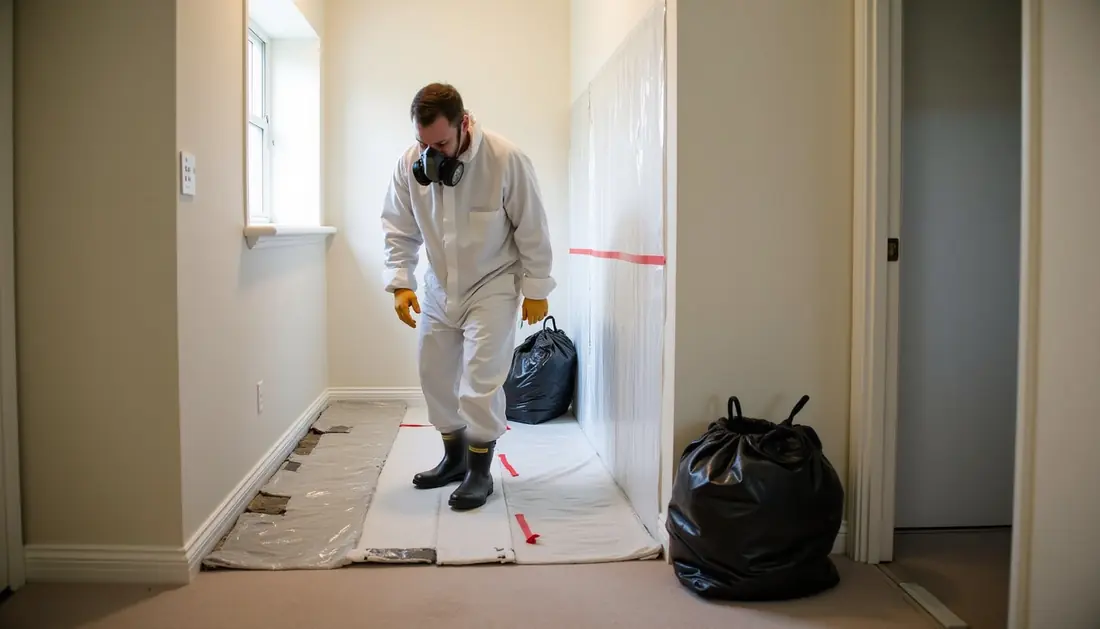
Sewage is the dirtiest water a house can get. Restoration companies class it as Category 3, or black water, because it carries bacteria, viruses and other things you don't want on your floors or in the air. A backup can come from a single overflowing toilet, a clogged branch drain, or the main sewer line backing up into the lowest fixtures in the house, which is usually a tub, a shower or a floor drain.
Because of what it carries, sewage cleanup works differently from a clean water leak. Carpet and pad that sewage touched almost always go. So does the bottom of any drywall it wicked into, along with insulation and anything soft that can't be washed hot. Hard surfaces like tile, sealed concrete and solid framing can be cleaned, disinfected and dried.
Our crew shows up in protective gear and sets up containment so the mess stays in the rooms it's already in. We extract the waste water, bag and remove contaminated materials, then clean and disinfect everything that stays. HEPA air scrubbers run during the work to keep the air in the rest of the house cleaner. Once the area is clean, we dry it to verified readings and rebuild.
One thing we always tell people: get the line fixed. A plumber has to clear or repair the blockage, or the backup will come back. If the plumber hasn't been out yet, call them first, or call us and we'll start containment and extraction while you wait for them. We'll let you know when it's safe to use water again.
Sewage cleanup is part of our full water damage restoration service, and the drying follows the same process as our water mitigation and structural drying. If a backup sat for a while before it was found, read about mold prevention and cleanup. Older neighborhoods in Garland see a lot of these calls, see water damage restoration in Garland.
Stop using water in the house: no flushing, no showers, no laundry and no dishwasher, because every drop has to go somewhere and right now it's coming back up. Keep kids and pets out of the area. If the water is near outlets or cords, stay out of it, and switch off that circuit at the breaker only if you can reach the panel without walking through water.
Open windows if you can, take photos of the water and the fixtures it came out of, and call a plumber to clear the line. Don't use a shop vac or a household mop on raw sewage. They spread the contamination, and the vacuum can blow it into the air.
Restoration companies sort water damage into three categories, following the IICRC S500 standard. Sewage is always Category 3, along with floodwater from outside.
| Category | Common sources | What usually happens to wet materials |
|---|---|---|
| Category 1, clean water | A broken supply line, an overflowing sink or tub, an ice maker line | Most can be dried in place |
| Category 2, grey water | Washing machine or dishwasher overflow, a toilet overflow without feces | Cleaned and treated before drying; some porous materials may have to go |
| Category 3, black water | Sewage backups, a toilet overflow with feces, floodwater from outside | Grossly contaminated: porous materials it touched come out, and the rest is cleaned and disinfected |
The category decides what can be saved, and it can change. A clean water leak that sits for a few days can be reclassified as it picks up bacteria, which is one more reason to start drying quickly.
Cleanup after a toilet overflows onto bathroom floors and into nearby rooms.
Removal and sanitizing when the main line backs up into tubs, showers and floor drains.
Kitchen, laundry and floor drain backups cleaned and disinfected.
Safe removal and disposal of carpet, pad, drywall and insulation that sewage touched.
When a main line backs up, the water comes out of the lowest drain first, which is usually a ground floor tub or shower. People clean the tub and miss the wall behind it. We check the wall cavity next to every fixture that overflowed, because that's where contaminated water hides.
Sewage jobs are priced by the affected area, how far the water traveled, how much has to be removed and disposed of, and the rebuild. Many policies only pay for sewer backups if you've added a water backup endorsement, so check your policy before the cleanup starts.
We provide sewage cleanup in Dallas and every city listed below. Open your city to see the neighborhoods and ZIP codes we cover there.
Older Dallas neighborhoods like Oak Cliff, Lakewood and the M Streets still have plenty of original clay and cast iron sewer lines, and tree roots find them.
Older homes in East Plano can have aging sewer lines, while backups in newer neighborhoods are more often a single toilet or drain.
Most Frisco homes are newer, so backups there are usually one clogged toilet or drain, often upstairs, where the water finds the ceiling below.
Older homes around Historic Downtown McKinney can have aging cast iron or clay sewer lines, and the crawl spaces under pier-and-beam floors need cleaning too.
In Irving apartment buildings, a main line backup on one floor can affect several units, so we coordinate access and cleanup with property management.
Garland homes built in the 1950s to 1970s often have cast iron drains and clay sewer lines, which makes backups from cracks and root intrusion a common call there.
In Rockwall, a backup is often a single toilet or drain in a newer home, but an upstairs overflow still reaches the ceiling below.
In Arlington apartment buildings, a backed-up main line can affect several ground-floor units at once, so we coordinate with management.
Older Fort Worth neighborhoods still have aging clay and cast iron sewer lines that roots get into, and crawl spaces need cleaning after a backup.
It can be. Sewage carries bacteria and viruses that can make people sick, especially young children, older adults and anyone with a weak immune system. Keep everyone out of the area, don't try to mop it up with household cleaners, and wash your hands well if you touched anything.
Almost never. Carpet and pad soak up sewage and can't be reliably disinfected, so they're removed and disposed of. Hard flooring like tile and sealed concrete can usually be cleaned and kept.
Many standard policies exclude water that backs up through sewers or drains unless you've added a water backup endorsement, and even then there may be a separate limit. Check your policy or call your agent, and take photos before anything is removed.
Both, and the order depends on whether the line is still backing up. If it is, the plumber needs to clear it before the cleanup can finish. You can call us at the same time and we'll start containment and extraction so the damage doesn't spread.
If the backup is limited to one bathroom and the rest of the house has working plumbing, many people stay. Small children, anyone pregnant and anyone with breathing or immune problems should stay away from the work area until it's cleaned.
The smell comes from contaminated materials and anything still damp. Removing those, disinfecting what's left and drying the area takes care of most of it. Air scrubbers help during the work, and we treat for odor at the end if any is left.
Tree roots growing into old clay or cast iron lines, cracked or collapsed pipes, grease buildup and heavy rain overwhelming the city system are the usual causes. A plumber can run a camera through the line to find out which one you're dealing with.
Every hour counts. Drywall and flooring start absorbing water within minutes, and mold can start within 24 to 48 hours. Call now. We're open around the clock.
(469) 306-9109Open 24 hours, 7 days a week · Dallas and nearby cities